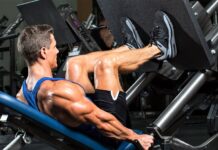







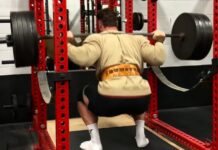

















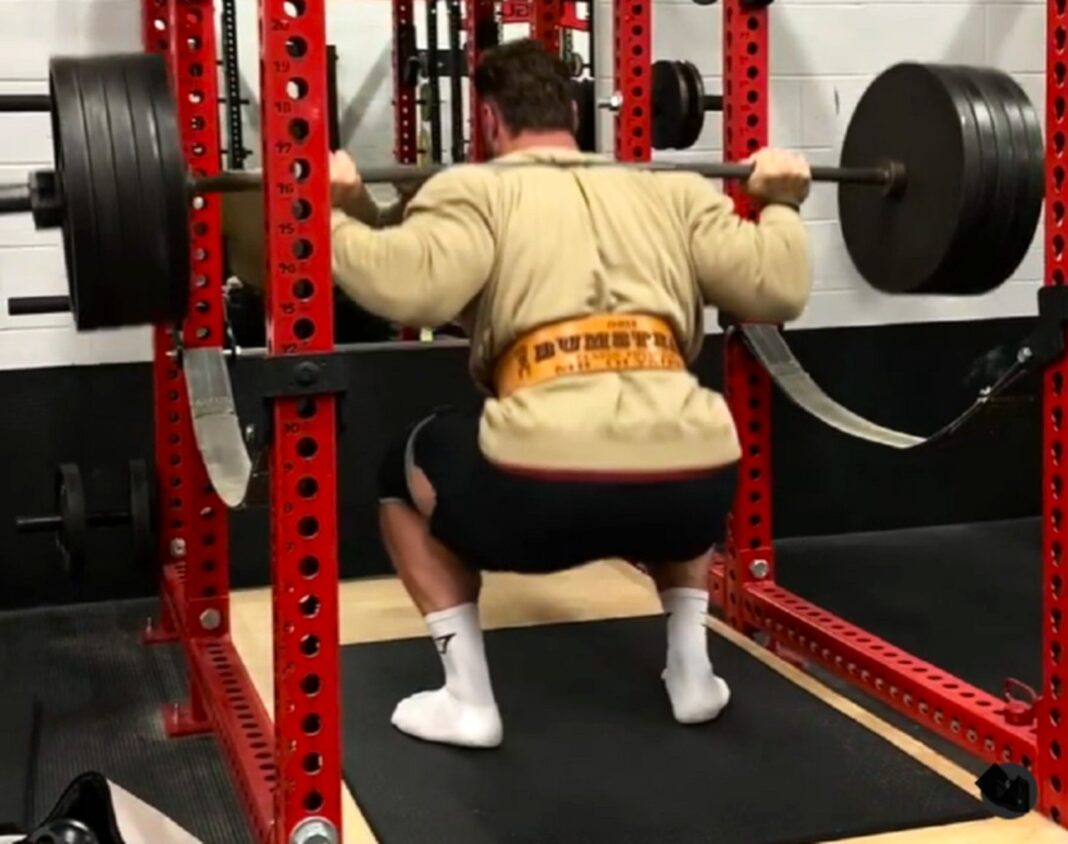
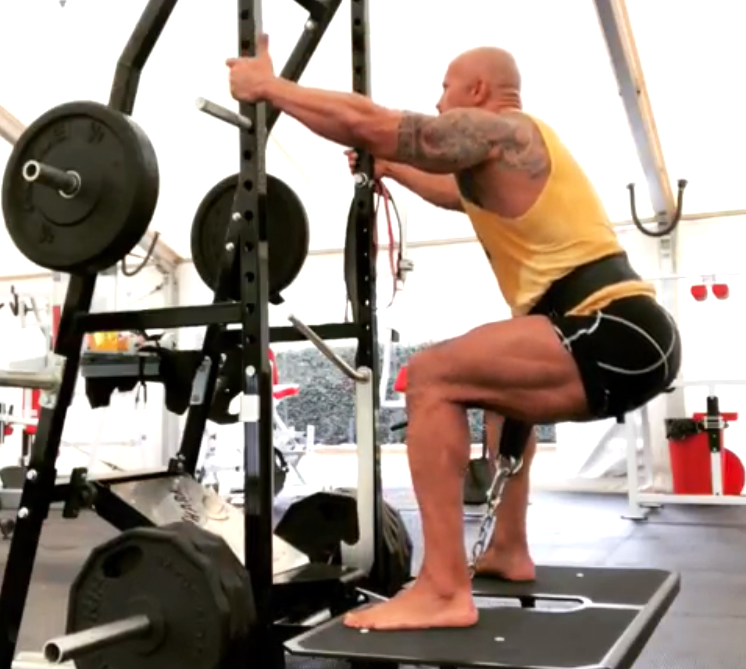
Chris Bumstead squatting barefoot (sockfoot) / Instagram
Credit Cbum. If you’ve noticed a lot more people squatting in socks in recent years, you can thank (or blame) the six-time Classic Physique Mr. Olympia Chris Bumstead, who regularly trained legs without shoes, as seen by his many millions of social media followers. We’ll refer to this practice here as squatting barefoot, though in a commercial gym you’ll probably want to wear socks.
So, what’s it all about? Should you squat barefoot or keep your shoes on? We’ll explore the benefits and drawbacks and serve up some practical tips for shoeless leg training.
BENEFITS OF SQUATTING BAREFOOT
Enhanced Proprioception and Stability
Proprioception refers to the body’s ability to sense its position and movement in space. Squatting barefoot increases the sensory feedback from the feet, enhancing this sense and improving overall balance and stability. Without the cushioning and support of shoes, the feet can interact directly with the ground, allowing for more accurate adjustments during the squat. This heightened awareness can lead to better control over movements, reducing the likelihood of imbalance-related injuries.
Stronger Foot and Ankle Muscles
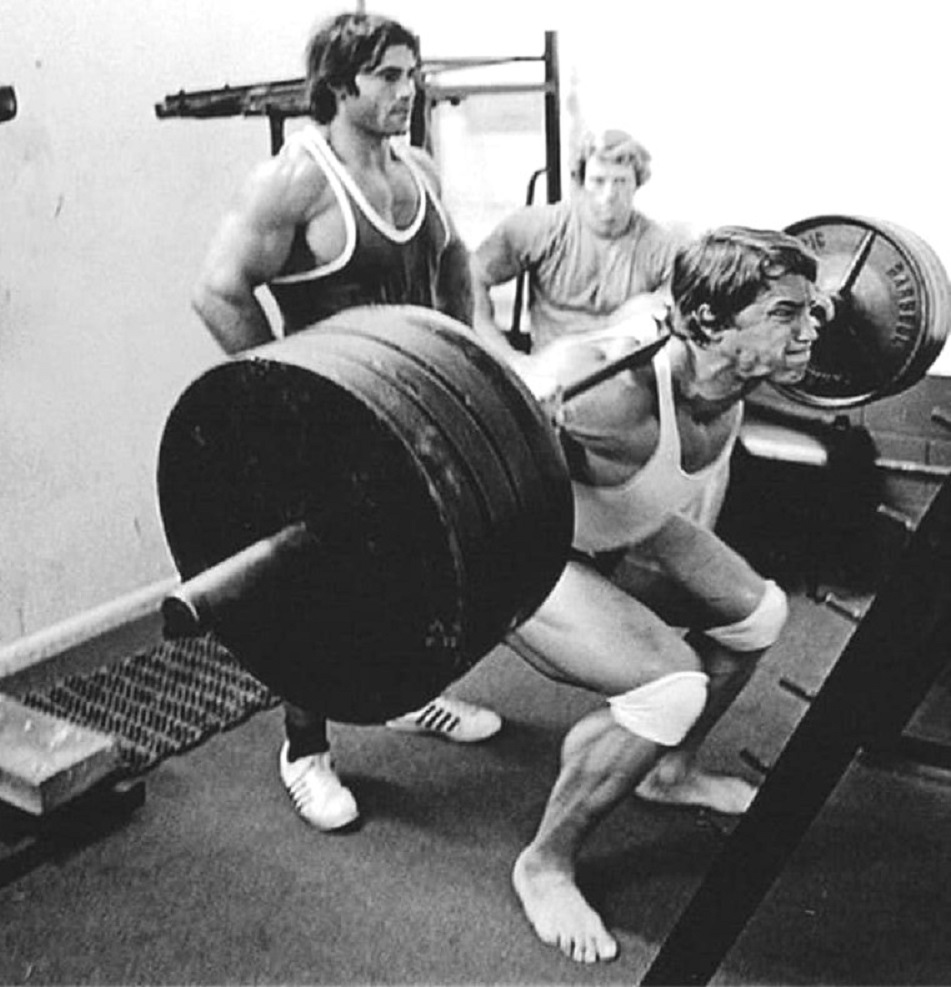
When you squat barefoot, the muscles in your feet and ankles work harder to maintain stability. Shoes often provide artificial support that can weaken these muscles over time. By removing this support, barefoot squatting encourages the development of stronger, more resilient muscles in the lower extremities. This can improve overall lower body strength and balance and contribute to better athletic performance. For this reason, some athletes, such as American football linemen, work legs without shoes.
Improved Range of Motion
Barefoot squatting can enhance the range of motion in the ankles, hips, and knees. Shoes, especially those with elevated heels, can restrict natural movement patterns. Squatting without shoes allows the ankles to move more freely, which can help achieve a deeper squat position. Improved mobility in these joints can lead to better form and effectiveness in various exercises.
Better Posture and Alignment
Footwear can sometimes alter natural posture and alignment. By squatting barefoot, individuals can adopt a more natural stance, promoting proper weight distribution across the feet. This encourages better alignment of the knees, hips, and spine, which is crucial for maintaining good form during squats. Proper alignment reduces the risk of strain and injury, making workouts safer and more effective.
Reduced Impact Forces
Squatting barefoot can lead to softer landings and reduced impact forces on the joints. Shoes with thick soles can create a false sense of cushioning, leading to harder landings. Barefoot training encourages a more mindful approach to movement, helping to absorb shock more effectively through the body’s natural mechanisms.
DRAWBACKS OF SQUATTING BAREFOOT
Lack of Support
Shoes provide necessary support and cushioning, particularly beneficial for individuals with foot conditions such as flat feet or plantar fasciitis. Squatting barefoot removes this support, which might exacerbate existing issues. For those with these conditions, the lack of support can lead to discomfort or even injury.
Increased Risk of Injury
For beginners or those with poor squat form, barefoot squatting might increase the risk of injury. The feet and ankles are more exposed to strain without the protective barrier of shoes. Proper form and technique are essential to avoid injuries such as sprains or strains in the lower extremities.
Surface-Related Concerns
The surface on which you squat matters significantly when going barefoot. Hard or uneven surfaces can lead to discomfort or injury. Soft, even surfaces such as rubber flooring are ideal for barefoot squatting.
Hygiene Issues
Public gyms and workout spaces often pose hygiene concerns for barefoot training. Floors can harbor bacteria, fungi, and other pathogens that can lead to infections. Ensuring cleanliness and considering the environment before deciding to squat barefoot is essential to avoid these health risks. Furthermore, most commercial gyms prohibit barefoot training. That’s where what Bumstead calls “sockfoot” training comes in. You can go barefoot in a private workout space, but keep your socks on if you go shoeless in a commercial gym.
Adaptation Period
Transitioning to shoeless leg training requires an adaptation period. The muscles and tendons in the feet and lower legs need time to adjust to the new demands placed on them. Jumping into barefoot squatting too quickly can lead to soreness, overuse injuries, or even more severe conditions like stress fractures. Ease in by doing only some shoeless sets at first.
PRACTICAL TIPS FOR SQUATTING BAREFOOT
Start Slowly
If you’re new to barefoot squatting, start slowly. Begin with bodyweight squats to allow your feet and ankles to adapt. Gradually increase the intensity and volume as your muscles strengthen and your technique improves.
Focus on Form
Proper form is crucial for any exercise, and it’s especially important when squatting shoeless. Pay attention to your alignment and ensure that your knees track over your toes. Maintain a neutral spine and engage your core throughout the movement.
Choose the Right Surface
Select a suitable surface for barefoot squatting. Rubber flooring or a rubber mat is ideal for reducing impact forces and providing a comfortable base that your feet can “grip.” Avoid hard or uneven surfaces.
Warm Up and Stretch
Warming up before squatting and stretching afterward can help prevent injuries. Pre-workout, focus on dynamic stretches that target the ankles, calves, and hips. Post-workout, incorporate static stretches to improve flexibility and aid recovery.
Listen to Your Body
Pay attention to how your body responds to barefoot squatting. If you experience pain or discomfort, reassess your form and make necessary adjustments. It’s not for everyone. Some people are more comfortable, stable, and strong wearing shoes on leg days.
Gradually Increase Load
As you become more comfortable with barefoot squatting, you can start incorporating additional weights. Use caution and increase the load gradually to ensure your muscles and joints can handle the added stress.
Consider Footwear Alternatives
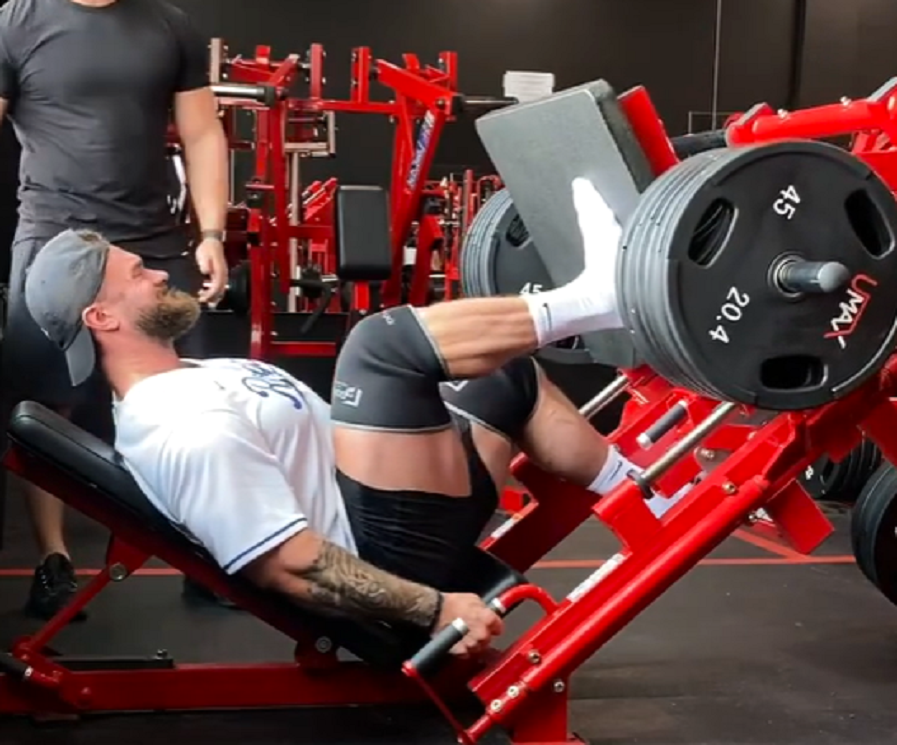
If barefoot or “sockfoot” squatting isn’t feasible for you due to surface or hygiene concerns, consider minimalist footwear, such as Vibram FiveFingers. These provide some protection while still allowing for a more natural foot movement compared to traditional athletic shoes.
BAREFOOT SQUATTING: CONCLUSION
Barefoot squatting offers a range of benefits, from improved stability and muscle strength to better posture and reduced impact forces. However, it also presents challenges such as a lack of support and an increased risk of injury for beginners. By understanding these pros and cons and following practical tips, you can safely incorporate shoeless leg training into your routine. As with any exercise change, it’s important to listen to your body and progress gradually. Whether you’re looking to enhance your proprioception, strengthen your lower extremities, or simply try something new, going shoe-free can be a valuable addition to your leg days.
We’ll let Chris Bumstead have the last word: “Been training legs barefoot (sockfoot) a lot more lately and I can’t deny it feels damn good. I feel more grounded, stable, and in some movements I can generate more mind-muscle connection.” If it helps the reigning Classic Physique Mr. Olympia, it may help you, too.