






















Fasted cardio is always a hot topic in the world of fitness. How effective is it? Is it just a “bro science” thing, or is it backed up by actual research results? We delve into the non-bro science to see if doing fat-burning exercise on an empty stomach is more effective than at other times. Don’t eat yet. First, let’s check out fasted cardio.
WHAT IS FASTED CARDIO
Fasted cardio is a cardiovascular exercise performed on an empty stomach. The easiest way to do this is first thing in the morning before your breakfast. Then, when you haven’t eaten for, typically, at least eight hours, your body will not have carbohydrates at the ready to fuel your exercise and will instead be more likely to burn body fat. At least, that’s the sales pitch for doing pre-breakfast cardio. But is it true?

POTENTIAL BENEFITS OF FASTED CARDIO
INCREASED FAT OXIDATION
Several studies suggest that fasted cardio can increase the rate of fat oxidation. For instance, a study published in the British Journal of Nutrition found that individuals who performed cardio in a fasted state burned more fat during the workout compared to those who exercised after eating.
IMPROVED INSULIN SENSITIVITY
Exercising while fasted may enhance insulin sensitivity, which is beneficial for metabolic health and can help in the management of conditions such as type 2 diabetes. A study in the Journal of Applied Physiology noted improvements in insulin sensitivity among participants who engaged in fasted exercise.
CONVENIENCE
For many, fasted cardio is convenient, particularly for those who prefer to workout early in the morning. It eliminates the need to prepare and consume a meal beforehand, potentially saving time (though if you simply drink a protein shake before training it won’t save much).
POTENTIAL DOWNSIDES OF FASTED CARDIO
REDUCED PERFORMANCE
Exercising on an empty stomach can lead to reduced performance and stamina. Without immediate energy from food intake, individuals might experience fatigue more quickly. A study in the Strength and Conditioning Journal highlighted that low glycogen levels could impair high-intensity exercise performance.
MUSCLE LOSS
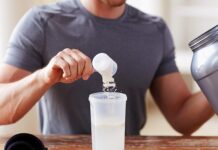
There is concern that fasted cardio might increase muscle catabolism, which is the breakdown of muscle tissue for energy. Research from the Journal of the International Society of Sports Nutrition suggests that while fasted cardio increases fat oxidation, it might also elevate muscle protein breakdown, especially during prolonged exercise. If maximizing muscle is important to you, consider downing a scoop of whey protein powder with water before doing (semi-)fasted cardio. This will provide about 24 grams of protein, but only about 120 calories.
INCREASED STRESS HORMONES
Fasting can elevate cortisol, a stress hormone. High cortisol levels, particularly when combined with intense exercise, can have negative effects, including muscle loss and impaired recovery. A study in the European Journal of Applied Physiology found that fasted exercise led to higher cortisol responses compared to fed exercise.
DOES FASTED CARDIO BURN MORE BODY FAT?
What we all care the most about is the effect of fasted cardio on our body composition. Does it burn body fat more efficiently than fed cardo? Here, the evidence is not especially promising. A study in the International Journal of Sport Nutrition and Exercise Metabolism compared fat loss between fasted and fed cardio groups over several weeks and found no significant difference in body composition changes when total caloric intake was controlled. And research published in the Journal of the International Society of Sports Nutrition indicates that differences in muscle preservation and fat loss between fasted and fed cardio are minimal when diet is controlled.
Exercise scientist Brad Schoenfeld recently wrote this about fasted cardio:
Back in 2011, I wrote a review examining the effects of fasted cardio on fat loss. At that time, it was claimed that performing 20 minutes of intense aerobic exercise after an overnight fast has greater effects on fat loss than performing an entire hour of cardio in the fed state. However, this claim was based exclusively on extrapolating acute data. In my review, I pointed out a number of inconsistencies in the data that called into question the potential benefits of fasted cardio from a practical standpoint when trying to lose body fat.
Since publication of that paper, a number of studies have investigated longitudinal changes in fat loss when comparing fasted vs fed cardio. In my opinion, we can say with good confidence that current evidence indicates fasted cardio does not have a substantial effect on losing body fat. However, we cannot say for sure that there isn’t a small benefit to the strategy; the level of evidence isn’t sufficient to draw such a conclusion.
Take home: For the general public, there is little reason to perform fasted cardio. That said, there doesn’t seem to be any tangible downside either. Thus, if you like doing cardio in a fasted state, do so; if not, don’t. Either way, don’t expect to see any meaningful differences in body fat levels.
FASTED CARDIO CONCLUSION
Fasted cardio can be effective for increasing fat oxidation and improving insulin sensitivity in some individuals. However, its overall benefits for fat loss and muscle preservation are not significantly greater than those of fed cardio when dietary factors are controlled. The best approach depends on personal goals, preferences, and individual physiological responses. For those considering fasted cardio, it’s advisable to experiment and observe how your body reacts, adjusting intensity and duration accordingly. Also, for those trying to maximize muscle, consider semi-fasted cardio, ingesting whey protein with water (but no other food) before any pre-breakfast exercise.
SOURCES
British Journal of Nutrition: Study on Fat Oxidation in Fasted vs. Fed States
Journal of Applied Physiology: Insulin Sensitivity and Fasted Exercise
Strength and Conditioning Journal: Impact of Low Glycogen on Performance
Journal of the International Society of Sports Nutrition: Fasted vs. Fed Exercise and Muscle Preservation
European Journal of Applied Physiology: Cortisol Response to Fasted Exercise
International Journal of Sport Nutrition and Exercise Metabolism: Body Composition Changes with Fasted vs. Fed Cardio