




























When most people think about training their core, the first thing that comes to mind is the coveted “six-pack.” But the truth is that a strong core does much more than shape your abs—it’s the powerhouse of nearly every movement you perform. Whether you’re sprinting, lifting, sitting at a desk, or carrying groceries, your core muscles are working hard to stabilize, balance, and transfer force throughout the body. The Barbell explores what makes a truly effective core workout, how to structure your training for maximum benefit, and the exercises that research shows are most effective. You’ll also find comprehensive routines and practical programming advice. Let’s get to the core of the matter.
WHAT THE CORE IS, REALLY
The term “core” refers to more than just your abs. It includes a group of muscles that surround the spine and pelvis—the rectus abdominis (front abs), external and internal obliques (sides), transversus abdominis (deep abdominal layer), erector spinae and multifidus (back stabilizers), glutes, pelvic floor, diaphragm, and hip flexors [1]. These muscles work as a coordinated system to stabilize the spine and allow efficient transfer of energy between the upper and lower body. A strong core is therefore the foundation of movement. It protects your back, improves your posture, enhances balance, and allows your limbs to generate more power in sports or everyday life [2].

WHY CORE TRAINING MATTERS
1. Improved Stability, Posture, and Balance
A well-trained core keeps your spine and pelvis properly aligned. This improves posture, reduces unnecessary movement, and enhances balance and coordination—essential for athletic performance and daily activities [3].
2. Better Athletic Performance
Core strength improves the body’s ability to transfer force efficiently. Studies have shown that targeted core training leads to significant gains in balance and explosive power. One 2023 meta-analysis reported that athletes who performed structured core training improved balance and jumping ability with large effect sizes (ES = 1.17 for balance and ES = 0.84 for horizontal jump) [4].
3. Injury Prevention and Back Health
Weak core muscles contribute to poor posture and back pain. Strengthening the deep stabilizers of the core helps reduce stress on the spine and improves control of movement, decreasing the risk of lower back injury [5].
4. Everyday Functionality
Core strength is critical for routine tasks—bending, twisting, standing, and walking. It helps you move efficiently and reduces fatigue in the lower back and hips [6].
DEBUNKING COMMON CORE MYTHS
Myth 1: Six-pack abs = strong core.
Visible abs are primarily a product of low body fat, not necessarily core strength. You can have a functional, powerful core without pronounced definition.
Myth 2: Crunches are enough.
Traditional sit-ups and crunches mainly train the superficial rectus abdominis and hip flexors. Functional core exercises involve anti-rotation, anti-extension, and stability across multiple planes of motion, engaging deeper muscles for better results [7].
Myth 3: More reps means better results.
Doing 200 crunches won’t equal a stable spine. Core training is about controlled, high-quality movements and proper engagement, not sheer volume. Moderate reps are best.
THE THREE PILLARS OF CORE TRAINING
An effective core routine should train the midsection in three ways: strength/power, stability/endurance, and aesthetic/targeted definition. Each stresses different muscle systems and movement patterns.
1. Core Strength and Power
These exercises build the ability to generate and resist force — essential for athletes and heavy lifters.
Key Exercises
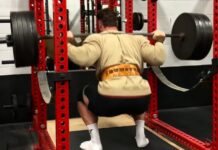
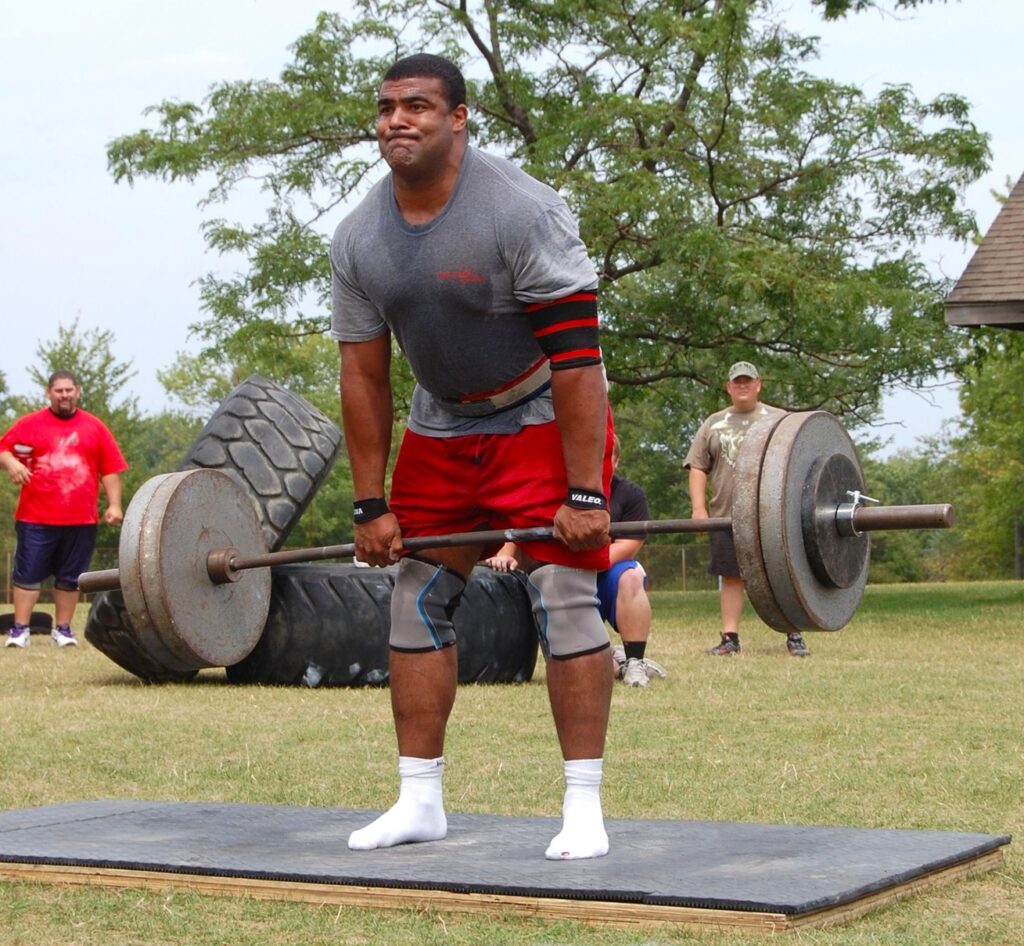
Deadlifts and Squats – Compound lifts like these require the core to stabilize the spine under a heavy load, activating the spinal erectors, glutes, internal abs, and obliques [8].
Ab Wheel Rollouts or Stability Ball Rollouts – Dynamic anti-extension moves that challenge the abs throughout a long range of motion.
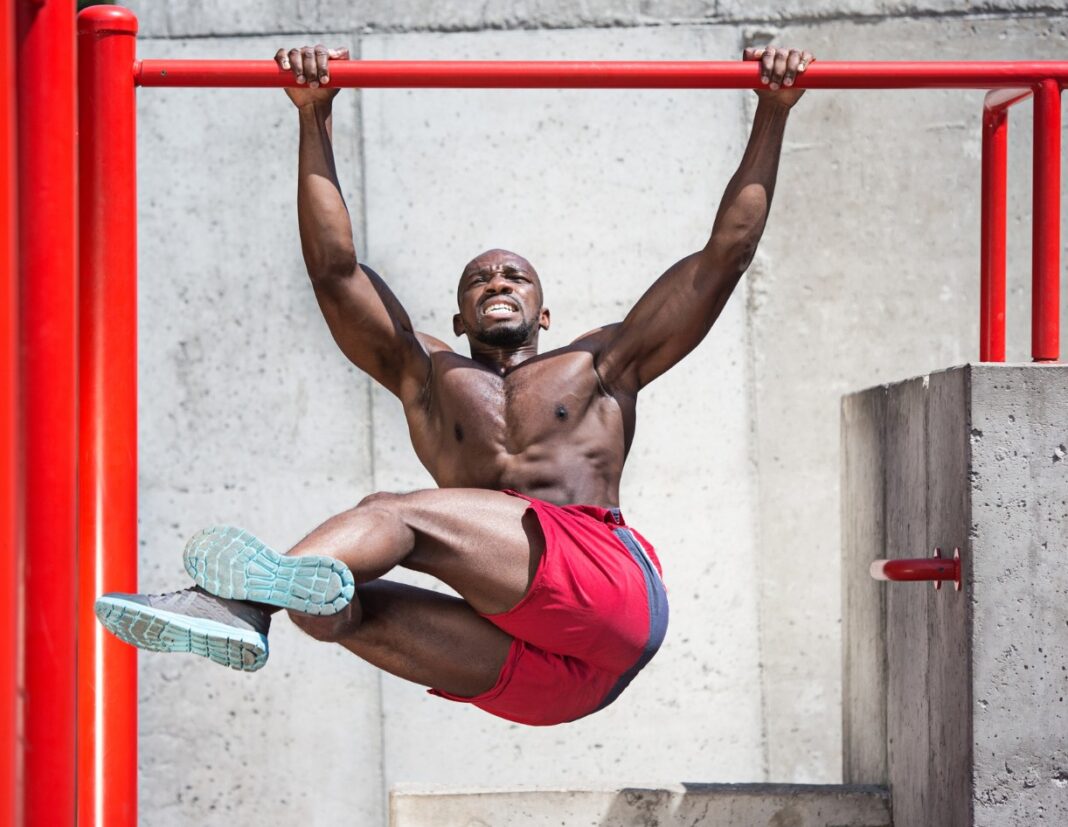
Hanging Leg Raises or Toes-to-Bar – Strengthen the lower abs and hip flexors while demanding control of the entire trunk. This is also the best ab exercise.
Medicine Ball Slams / Rotational Throws – Develop explosive rotational power, improving force transfer between upper and lower body.
2. Core Stability and Endurance
These exercises strengthen the deep stabilizing muscles, which are vital for spine protection and balance.
Key Exercises
Plank Variations – Front plank, side plank, and plank with arm or leg movement improve static endurance and bracing.
Bird Dog – Promotes coordinated limb movement while keeping the spine stable.
Dead Bug – It’s not our favorite name, but this trains deep core control and teaches the body to move the limbs without spinal movement.
Farmer’s Carry / Suitcase Carry – Carrying weights while walking challenges the body to resist lateral and rotational forces.
Pallof Press – A cable or band exercise that resists rotation, improving functional stability and posture.
3. Core Aesthetic and Definition Work
While diet is crucial for visible abs, targeted exercises can enhance muscle tone and symmetry.
Key Exercises
Cable or Rope Crunches – Provide constant tension and effective loading for rectus abdominis.
Russian Twists (Weighted) – Train rotational strength and define obliques (when body fat is minimized).
Decline Sit-ups / Reverse Crunches – Focus on controlled spinal flexion for the upper and lower abs.
Flutter Kicks / Mountain Climbers – Act as high-intensity core finishers.
Hanging Knee Raises – Target the lower abs and hip flexors for shaping and definition.
Remember: Aesthetics are achieved through a combination of resistance training, cardiovascular conditioning, and calorie control, not through endless ab repetitions.
THE SCIENCE OF EFFECTIVE CORE TRAININIG
Research suggests that multi-planar movements—those that involve resisting rotation, lateral bending, or spinal extension—activate more muscle fibers across the core than traditional sit-ups [8]. (We’re not fans of sit-ups, which ranks low amongst ab exercises.) Additionally, performing compound lifts (like squats and deadlifts) engages the core nearly as much as isolated ab work. In other words, the best approach is integration, not isolation. Train your core both on its own and as part of full-body movements.
Beginner Routine (Bodyweight Only)
Front Plank – 3 × 30 sec
Side Plank – 3 × 20 sec per side
Bird Dog – 3 × 8 per side
Dead Bug – 3 × 10 per side
Glute Bridge – 3 × 12
Intermediate Routine (Minimal Equipment)
Hanging Knee Raises – 3 × 8-12
Plank with Shoulder Tap – 3 × 30-45 sec
Pallof Press – 3 × 12 per side
Farmer’s Carry – 3 × 40 m walks
Russian Twists (weighted) – 3 × 20
Advanced Routine (Athletic Core)
Ab Wheel Rollouts – 3 × 10
Hanging Toes-to-Bar – 3 × 8-12
Single-Arm Farmer’s Carry – 3 × 40 m each side
Medicine Ball Rotational Slams – 3 × 8 per side
Stir the Pot (Stability Ball) – 3 × 10 circles each direction
4-Week Core Progression
Week 1
Plank – 3 × 30 sec
Dead Bug – 3 × 10 per side
Hanging Knee Raise – 3 × 10
Pallof Press – 3 × 10 per side
Week 2
Increase holds to 40 sec
Add Side Planks – 3 × 25 sec each side
Week 3
Ab Wheel Rollouts – 3 × 8
Hanging Leg Raises – 3 × 10
Weighted Russian Twists – 3 × 20
Week 4
Farmer’s Carry – 3 × 40 m
Stir the Pot – 3 × 8 per direction
Toes-to-Bar – 3 × 8
After Week 4, reassess your form, add resistance, or introduce advanced variations.
Long-Term Programming and Recovery
Frequency: 2-4 sessions per week, with at least one rest day in between.
Duration: 10-20 minutes per session is sufficient when intensity and control are high.
Recovery: Prioritize rest and mobility to prevent fatigue in the lower back.
Integration: Include core work alongside compound lifts (squats, deadlifts, presses) to maximize efficiency.
TECHNIQUES AND TRAINING TIPS
◾️Maintain a Neutral Spine – Avoid over-arching or rounding. Keep ribs down and abs braced.
◾️Brace Before Moving – Take a deep breath into your belly and tighten your core as if preparing for a punch.
◾️Slow, Controlled Movements – Fast reps reduce engagement. Focus on time under tension.
◾️Avoid Over-Training – The core is engaged in many compound lifts. Limit focused sessions to 2-4 times per week.
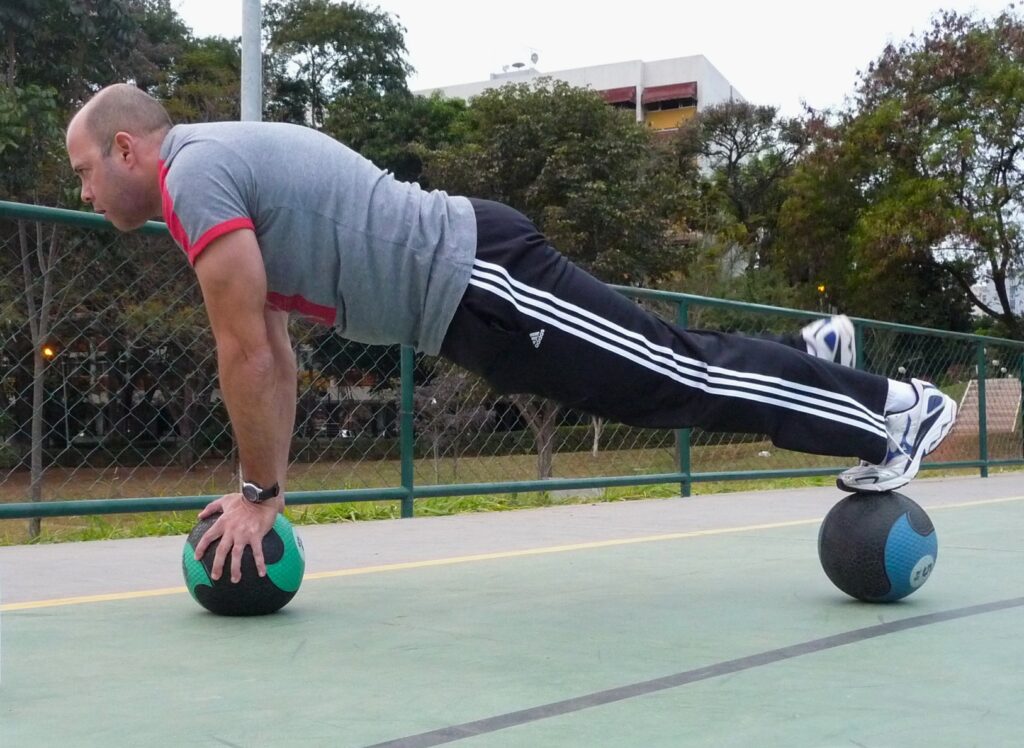
◾️Train All Planes of Motion – Include anti-extension (planks), anti-rotation (Pallof press), and anti-lateral flexion (side planks, carries).
COMMON MISTAKES TO AVOID
◾️Overdoing Crunches – Overemphasizing spinal flexion can strain the neck and neglect deep stabilizers [7].
◾️Ignoring the Back and Hips – The posterior chain (glutes, erector spinae) is part of the core system. Neglecting it causes imbalances [5].
◾️Poor Breathing Technique – Holding your breath excessively increases pressure on the spine. Learn diaphragmatic breathing to support intra-abdominal pressure.
◾️Neglecting Mobility – Tight hips and lower back reduce your ability to brace and move efficiently.
BEST CORE WORKOUTS: CONCLUSION
Core training is the cornerstone of fitness. It enhances posture, balance, strength, and athletic performance while reducing the risk of injury. The best core programs:
◾️Train strength, stability, and endurance together.
◾️Work across all planes of motion.
◾️Combine isolation and integrated movements.
◾️Prioritize form and progression over volume.
Research consistently supports that core training improves functional performance and injury prevention while contributing to better quality of life. Whether you’re an athlete, a casual gym-goer, or someone looking to reduce back pain, building a strong and stable core is one of the smartest investments you can make in your long-term health.
SOURCES
1. Healthline, “Core Strength: Why It’s More Important Than You Think.” [link]
2. Akuthota V, et al., “Core Stability Exercise Principles,” Current Sports Medicine Reports, 2008;7(1):39–44. PubMed ID: 19026017
3. Harvard Health Publishing, “The Real-World Benefits of Strengthening Your Core.” [link]
4. Prieske O, et al., “Effects of Core Training on Athletic and Skill Performance: A Systematic Review and Meta-Analysis,” Frontiers in Physiology, 2023. [link]
5. News-Medical, “The Importance of Core Strength for Overall Fitness.” [link]
6. Mayo Clinic, “Core Exercises: Why You Should Strengthen Your Core Muscles.” [link]
7. Harvard Health Publishing, “The Best Core Exercises for Older Adults.” [link]
8. Nuzzo JL, et al., “Core Muscle Activation during Resistance Exercises,” Journal of Strength and Conditioning Research, 2020. [link]