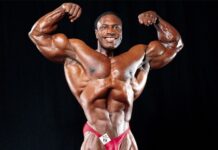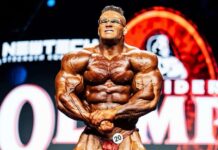




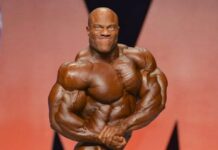
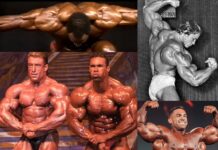
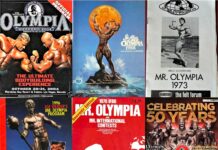























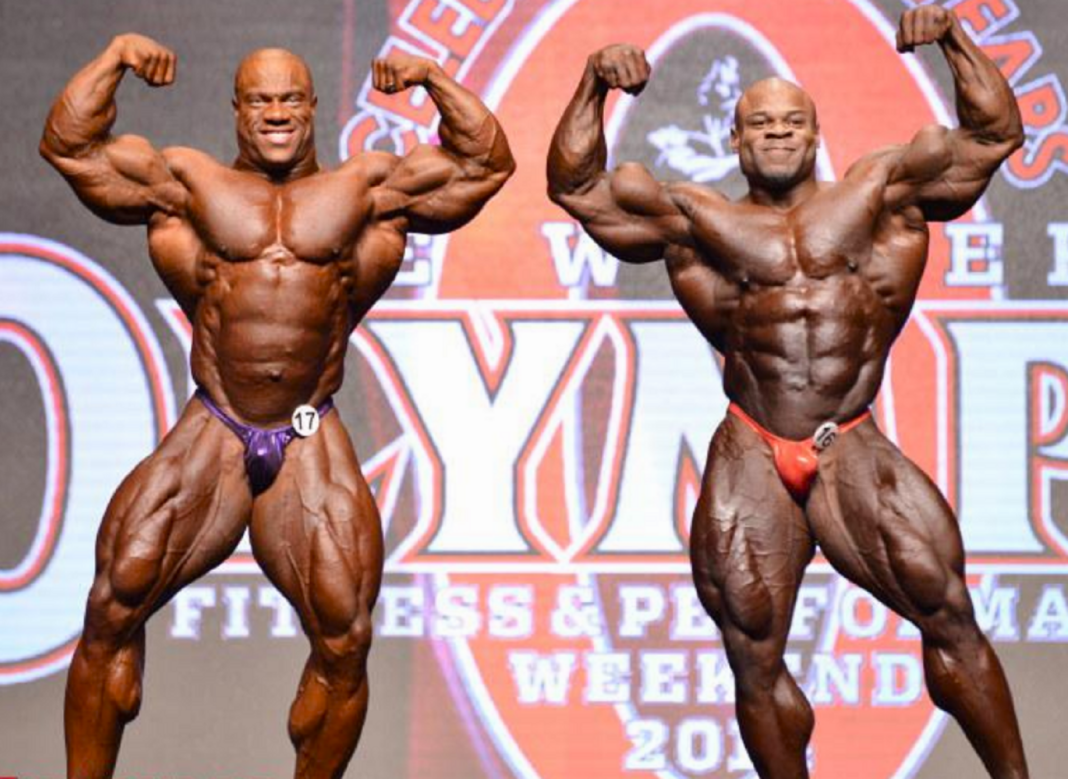
Is bodybuilding a sport? It’s an eternal question. On the “yes” side, a bodybuilder trains for a physical event in which he or she competes against others. Sounds like a sport. On the “no” side, the competition, where people strike poses, is more of an art exhibit. While training and dieting, the bodybuilder is a sculptor, and the contest is a subjective judgement of that sculpture. Doesn’t sound like a sport. We enlisted the A.I. platform Chat-GPT to solve this debate, and we’ve provided commentary on A.I.’s answers. Everything written below in green was generated by Chat-GPT.
IS BODYBUILDING A SPORT?
Let’s get right to it. Here’s what A.I. said:
Yes, bodybuilding is considered a sport. It involves rigorous physical training to develop and sculpt muscles through weightlifting and specialized exercises. Competitive bodybuilding involves contestants showcasing their muscular development, symmetry, and overall physique in various poses, which are judged based on criteria like muscle size, definition, proportion, and presentation.
In its first sentence, A.I. sort of hedged its bet by saying bodybuilding is considered a sport. But then it went on to make its case by focusing on the training and physical competition.
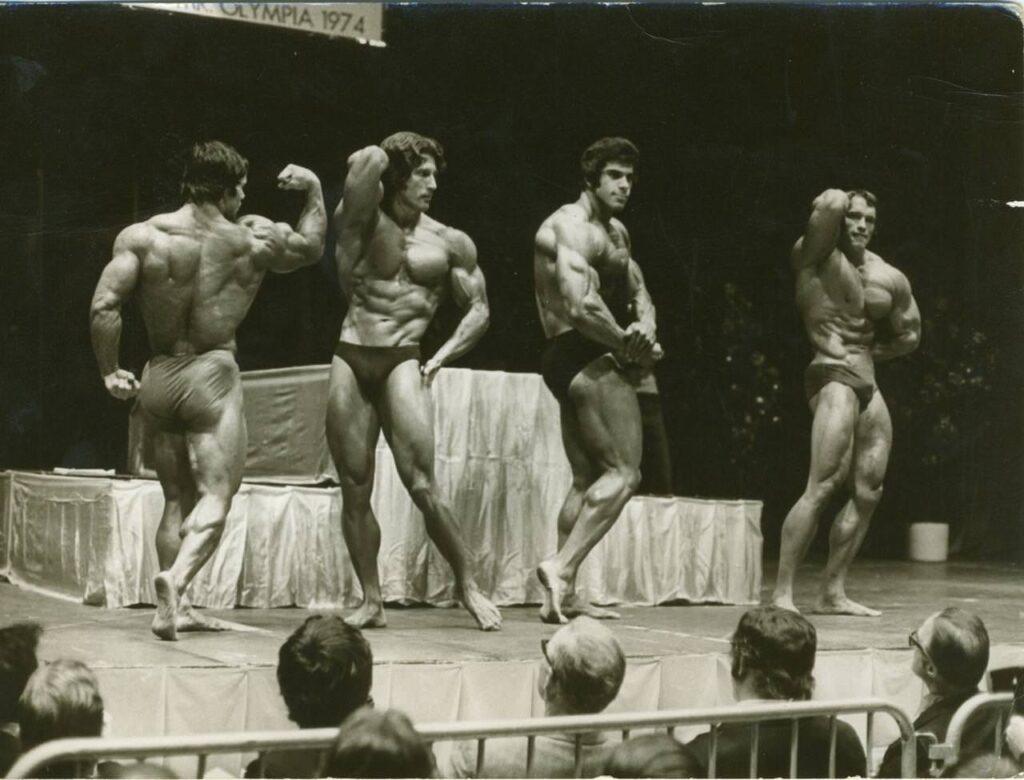
WHAT IS A SPORT?
Let’s get some more clarity from A.I. on what exactly makes something a sport.
A sport is generally defined as a physical activity that involves skill, competition, and is governed by a set of rules or customs. Here are some key elements that typically define a sport:
Physical Activity
Sports require some form of physical exertion, movement, or coordination. This can range from intense physical activities like running and jumping to more skill-based activities like archery or shooting.
Skill and Training
Athletes in sports typically train to improve specific skills, whether it’s strength, agility, endurance, or precision. The development and application of these skills are central to performance in the sport.
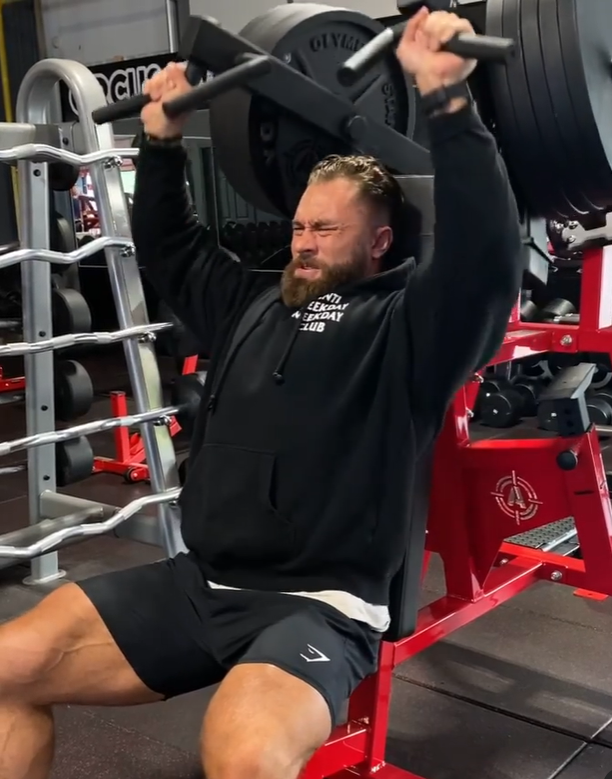
Competition
Sports involve competition, where individuals or teams compete against each other to achieve a specific goal, such as scoring points, finishing first, or outperforming an opponent. The competitive nature is essential, as it distinguishes sports from other forms of physical activity like exercise or recreation.
Rules and Structure
Sports are governed by rules that define how the game or activity is played, how winners are determined, and what is considered fair play. These rules ensure consistency and fairness in competition.
Objective Measurement
Most sports have objective criteria for determining winners and losers, such as goals scored, time taken, or points accumulated. This objective measurement is a hallmark of sports, even if some sports involve subjective judging (e.g., gymnastics, figure skating).
Social and Cultural Aspects
Sports often have a social dimension, involving teams, spectators, and communities. They can also be recognized by formal organizations, leagues, or federations that oversee competitions and standards.
Entertainment Value
Many sports are played in front of an audience, either live or via broadcast, and are considered a form of entertainment. This adds another layer to what makes an activity a sport, as the competition is not just for personal or team achievement but also for public enjoyment.
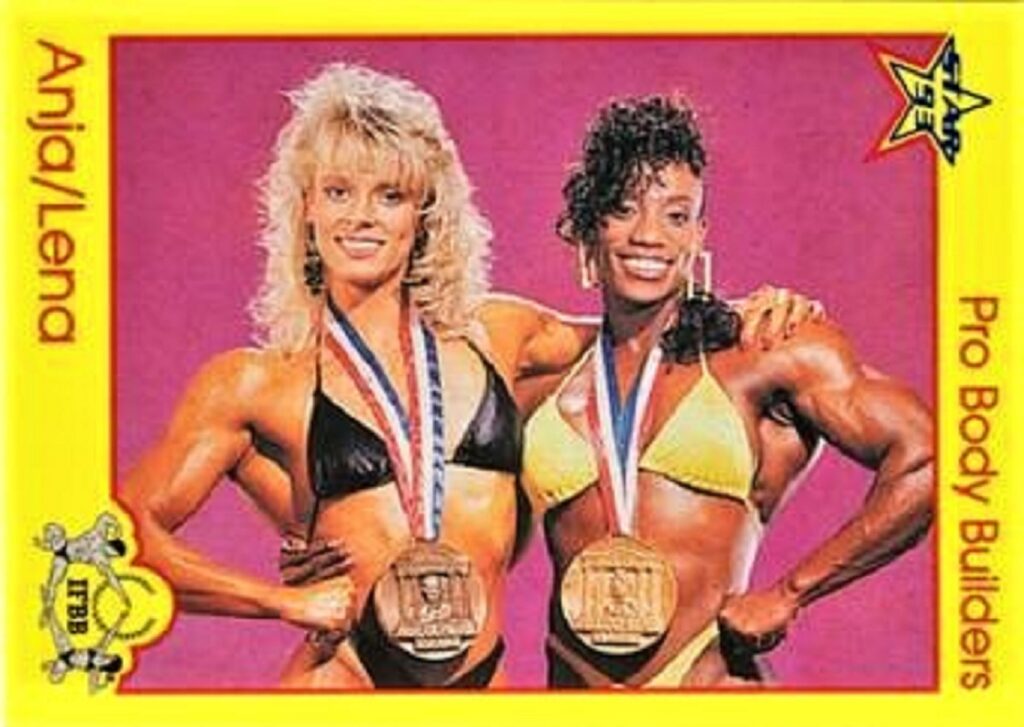
This definition can be broad, which is why activities like chess, esports, and even bodybuilding are sometimes debated as to whether they qualify as sports. The key elements of physical activity, competition, skill, and structure typically guide these discussions.
We like that A.I. even mentioned bodybuilding as a debatable sport at the end. As for the criteria, five clearly apply to bodybuilding. The two that may not are “physical activity” and “objective measurement.”
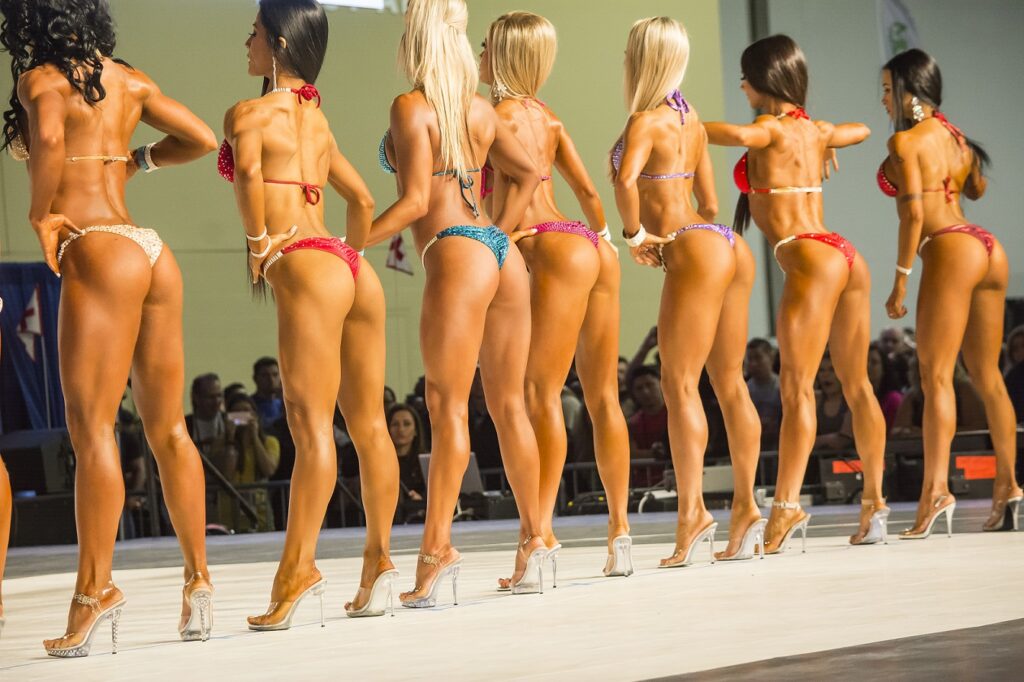
“Physical activity” is limited to posing at a bodybuilding contest, and though posing is physical, it’s the body’s development that is judged and not the posing (posing routines may be judged, but even then the physique is still the main focus). Furthermore, many bodybuilding divisions (such as bikini or men’s physique) have virtually no posing, with competitors merely standing flexed so their front, back, and sides can be judged. Standing isn’t much of a physical activity.
And as for “objective measurement,” though judging guidelines are set, bodybuilding decisions are mostly subjective. In fact, this is more true of bodybuilding than other judged competitions, like boxing or gymnastics, which have more quantifiable point systems.
So, since A.I.’s seven sport criteria give some ammunition for both sides of the debate, we asked Chat-GPT to serve up the arguments for and against bodybuilding being as sport.
ARGUMENTS FOR BODYBUILDING BEING A SPORT
Physical Demand and Training
Bodybuilding requires intense physical training, discipline, and commitment similar to other sports. Athletes spend hours in the gym lifting weights, performing cardio, and following strict diets to enhance muscle size, definition, and overall physique.
Competitive Nature
Bodybuilding competitions are structured with clear rules and judging criteria. Athletes compete against each other, similar to other sports, and are scored based on their performance, physique, and presentation.
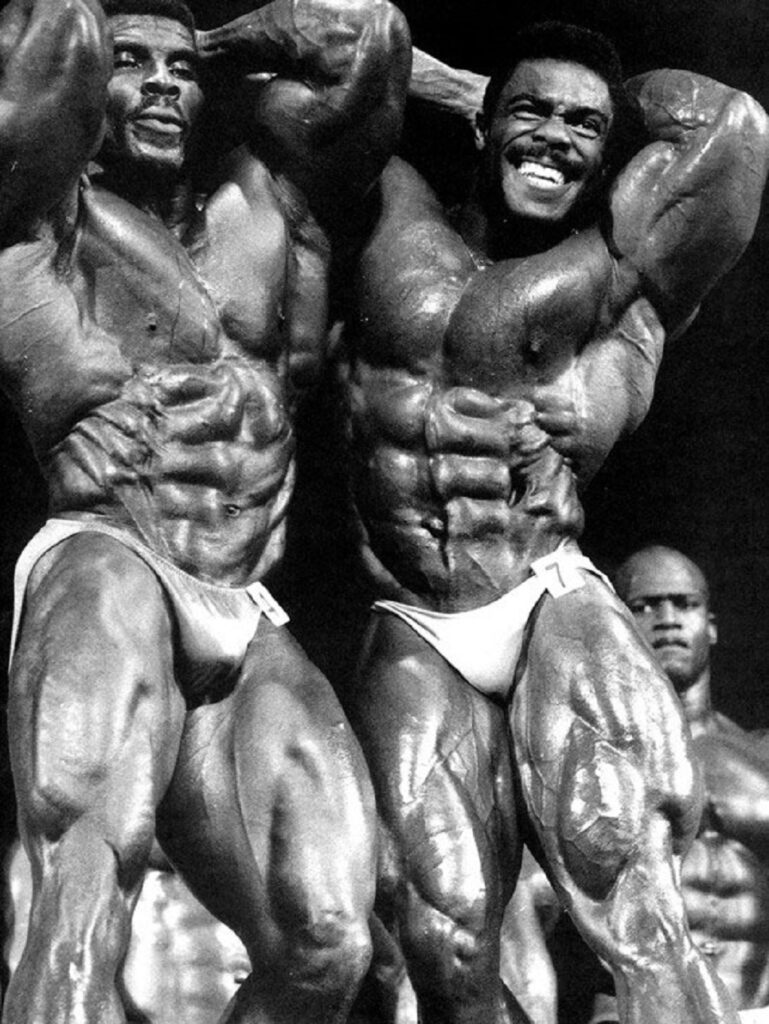
Skill and Strategy
Success in bodybuilding involves more than just lifting weights. Athletes need to understand anatomy, nutrition, and exercise science to target specific muscle groups effectively. Posing on stage also requires skill and practice, as it can influence the judges’ perception of the athlete’s physique.
Recognition by Sporting Organizations
Bodybuilding is recognized by various sporting organizations, such as the International Federation of Bodybuilding & Fitness (IFBB), which governs professional bodybuilding competitions globally.
The first three are good arguments for bodybuilding being a sport. As for the last one, it too is a good argument. However, the recognition of the IFBB doesn’t impress, since it’s a bodybuilding organization. However, bodybuilding has received recognition from broad sporting organizations, including the AAU (Amateur Athletic Union), which oversaw most American bodybuilding contests for decades. Briefly, the IFBB was even recognized by the Olympic committee. Though it’s never been an Olympic sport, bodybuilding has been included in such major, international, sporting events as the World Games and the Pan American Games.
ARGUMENTS AGAINST BODYBUILDING BEING A SPORT
Subjectivity in Judging
Unlike many sports where outcomes are determined by clear, objective measures (e.g., fastest time, most points), bodybuilding competitions are judged subjectively. The criteria for judging physiques can vary, leading to debates about fairness and consistency.
Focus on Aesthetics Over Performance
Bodybuilding emphasizes physical appearance rather than athletic performance. The primary goal is to develop a certain look, which some argue is more akin to a beauty contest than a sport where skill and physical ability are tested directly in competition.
Lack of Physical Competition
In traditional sports, athletes directly compete against each other in real-time physical activities (e.g., running, jumping, scoring goals). In bodybuilding, competitors do not engage in physical competition but rather present the results of their training for evaluation.
Health Risks
Bodybuilding can involve extreme diets, dehydration techniques, and the use of performance-enhancing substances, which can pose significant health risks. Critics argue that these practices are contrary to the principles of promoting health and physical fitness, which are often central to other sports.
Again, we’re good with the first three, all of which are good arguments against bodybuilding being a sport. As for the last one, yes, it’s true, but we don’t buy that health risks make bodybuilding less of a sport. If so, than wait till A.I. learns about the injury rates in MMA fighting, boxing, or rugby. Furthermore, performance-enhancing drugs are used in many sports, and there are drug-tested bodybuilding events. Overall, this seems immaterial as to whether one sees bodybuilding as a sport or not.
CONCLUSION: BODYBUILDING IS BOTH SPORT AND ART
Both sides of the argument highlight the unique aspects of bodybuilding and whether it fits the traditional definition of a sport. Whether one considers it a sport may depend on how they define competition, athleticism, and the role of physical aesthetics in sports.
We agree with this final statement from A.I. Bodybuilding is a sport, but it’s also an artform. Depending on how you see it, and, perhaps, who you see, it may be more of one than the other. When you disagree with the final contest placings, you may not see it as a sport at all but just an event with subjective decisions. And when a classically built competitor poses elegantly you may see it as pure art. But when two competitors duel in pose after exhausting pose, striking the same shots simultaneously, and the crowd roars for one or the other, it will likely seem like it’s all sport. Let the debate continue…