

























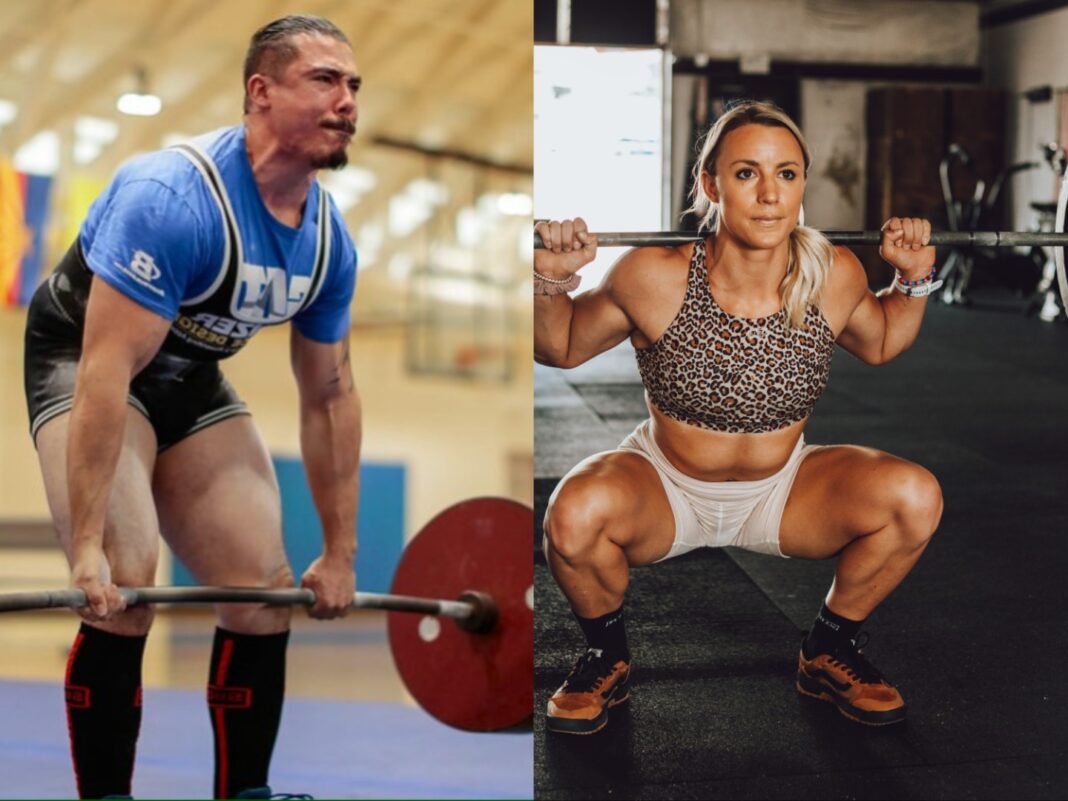
When it comes to building strength and muscle, two fundamental, compound exercises take center stage: deadlifts and squats. These two have earned their reputations for good reasons. They target multiple muscle groups and offer numerous benefits, but, if forced to choose, which one is better? Let’s tackle this debate. We’ll compare deadlifts and squats, examining the muscles worked, functional strength, core engagement, and versatility of each exercise. In one corner: deadlifts. In the other: squats. Which will come out on top?
DEADLIFT BENEFITS
Full-Body Strength: Deadlifts engage multiple muscle groups, including the lower back, glutes, hamstrings, quadriceps, traps, forearms, and core. This full-body recruitment helps build overall strength.
Functional Strength: Deadlifts mimic real-life activities like lifting heavy objects from the ground. This makes them valuable for improving functional strength that can be applied to daily tasks and activities.
Muscle Development: Deadlifts are effective at promoting muscle growth, particularly in the lower back, glutes, and traps. They can help you achieve a well-rounded physique by targeting both the lower and upper body with one exercise.
Improved Posture: Strengthening the muscles of the lower back and core can contribute to better posture and reduced risk of back pain or injury.
Core Stabilization: Deadlifts heavily engage the core muscles, leading to improved strength and stability. A strong middle is essential for maintaining proper form during other standing exercises and daily activities.
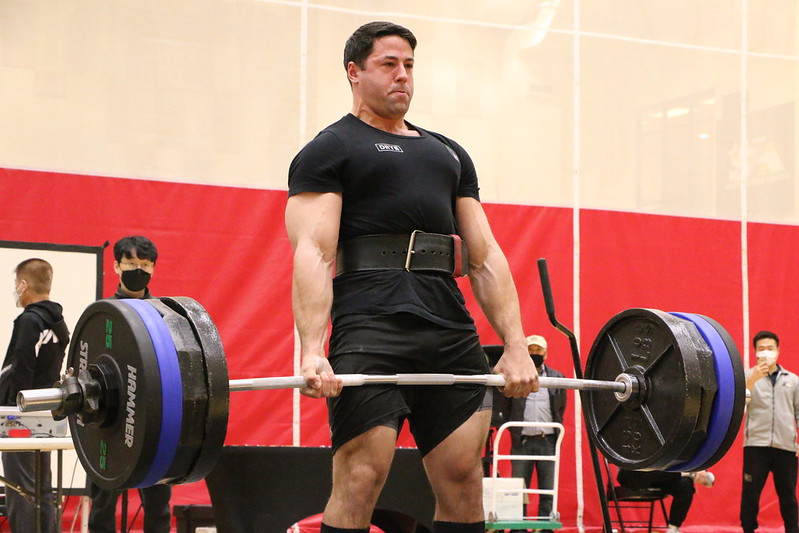
Bone Health: Weight-bearing exercises like deadlifts can promote bone density and help prevent conditions like osteoporosis.
Hormonal Benefits: Deadlifts, especially when performed with heavy weights, can trigger the release of growth hormone and testosterone, which are crucial for muscle growth and recovery.
Enhanced Grip Strength: Your grip is often the weak link in deadlifts. So pulling heavy weights can boost grip strength, which can be beneficial for various other exercises and daily activities. Of course, this assumes you don’t deadlift with training straps.
Improved Balance and Stability: Deadlifting can help improve your overall balance and coordination.
Mental Toughness: Deads can be mentally challenging due to the heavy loads and the focus required to perform them safely. Pulling maximum weights can help develop mental resilience and discipline.
SQUAT BENEFITS
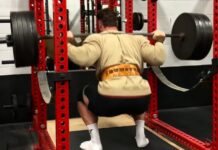
Leg Strength: Squats primarily target the muscles of the lower body: the quadriceps, thigh adductors, and glutes. (The widespread belief that they also target the hamstrings is incorrect.) This makes them one of the most effective exercises for building leg strength.
Muscle Development: Squats are excellent for promoting muscle growth in the quads, adductors, and glutes. The deeper you go, the more you work the adductors and glutes.
Functional Strength: Squats mimic sitting down and standing up, which are essential for daily life. Building functional strength through squats can improve your ability to perform everyday tasks with ease.
Core Engagement: Proper squat form requires core stabilization, leading to improved strength and stability. A strong middle is essential for maintaining good posture and preventing lower back pain.
Full-Body Exercise: While squats primarily target the lower body, they also engage the core and other stabilizing muscles throughout the body. This makes them a valuable full-body exercise.
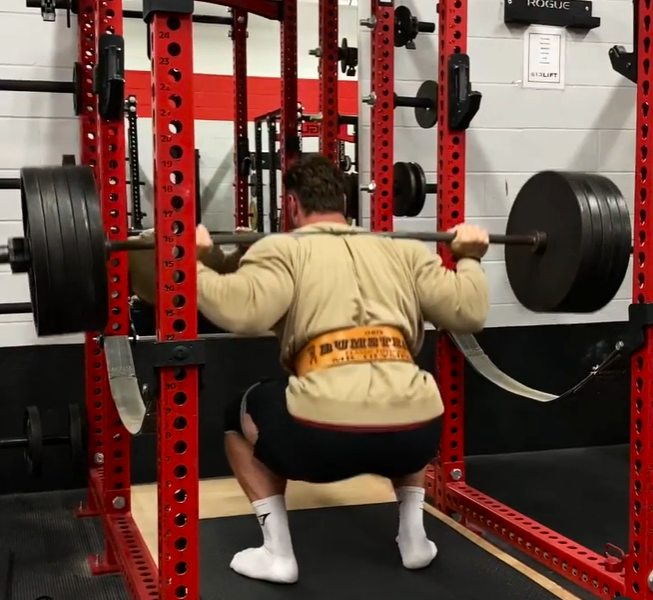
Enhanced Flexibility: Squats can improve flexibility in the hips, knees, and ankles. This increased range of motion can be beneficial for various physical activities and daily movements.
Bone Health: Weight-bearing exercises like squats can promote bone density and help prevent conditions like osteoporosis.
Improved Balance and Coordination: Squats require balance and coordination, and performing them can enhance these aspects of physical fitness.
Hormonal Benefits: Squats, especially when performed with challenging weights, can stimulate the release of growth hormone and testosterone, which are important for muscle growth and recovery.
Mental Toughness: Squats can be physically and mentally challenging, particularly when pushing sets to failure or near-failure. They can help you develop mental resilience and discipline.
DEADLIFT VS. SQUAT: THE SCIENCE
A 2019 study pitted the deadlift versus the squat to determine which triggered the greatest acute neuromuscular and endocrine responses. In essence, this was a measure of which was a more effective exercise at taxing your body.
The authors wrote:
“Anecdotally, it is believed that the deadlift exercise brings about greater levels of central fatigue than other exercises; however, no empirical evidence exists to support this view. In addition, little is known about the acute endocrine response to heavy deadlift exercise and how this may differ from other similar compound exercises. Therefore, the aim of this study was to identify and compare the acute, neuromuscular and endocrine responses to squat and deadlift exercises.”
The study consisted of 10 resistance-trained males who completed eight sets consisting of two reps at 95% of their one-rep maximum in the deadlift and squat on different days. Various factors were measured five minutes after exercising and 30 minutes after exercising.
The authors concluded:
“Although a greater absolute load and larger volume load were completed for the deadlift, no difference in central fatigue [originating from the brain and central nervous system] was evident between the two compound exercises. The greater peripheral fatigue [originating from muscles] observed after squat exercise may be due to the greater work completed by the quadriceps with this exercise. These results suggest that separate periodization, tapering, and programming considerations may be unnecessary when using the squat and deadlift to develop muscular strength.”
Both exercises were equally fatiguing to the brain and nerves. Squats were a little more fatiguing to muscles. The authors theorized that this was due to the broader range of motion in squats and their greater focus on the quads—a large muscle group. So, it’s a close call, but if we had to choose which is more stressful and ultimately more effective, it’s the squat, assuming you do full (below parallel) reps.
DEADLIFT VS. SQUAT: THE RIGHT CHOICE FOR YOU
Whether deadlifts or squats are “better” for you depends on your training goals.
◾️If your primary goal is to build overall strength, focusing on the posterior chain and functional lifting, deadlifts are best.
◾️If your primary goal is developing your quads and glutes and enhancing leg strength, squats are best.
Many weight-training programs incorporate both deadlifts and squats because they complement each other well and provide a balanced approach to building overall strength and muscle mass. Deadlifts and squats are both very valuable exercises—the kings—that offer a wide range of benefits for those looking to build strength and muscle. The choice between them depends on your individual goals and preferences. Whether you favor one exercise over the other or incorporate both into your routine, remember that consistency, proper form, and gradual progression are key to achieving your fitness objectives.
SOURCES
Barnes, Matthew, et al., (2019), “Acute Neuromuscular and Endocrine Responses to Two Different Compound Exercises: Squat vs. Deadlift,” Journal of Strength and Conditioning Research, 33(9):p 2381-2387.
National Strength and Conditioning Association (2016), “The Deadlift: A Detailed Scientific Analysis,” NSCA’s Essentials of Personal Training.
National Strength and Conditioning Association (2012), “Squatting Exercises,” Essentials of Strength Training and Conditioning.
Schoenfeld, B. J. (2010), “Squatting Kinematics and Kinetics and Their Application to Exercise Performance,” Journal of Strength and Conditioning Research, 24(12), 3497-3506.
Opening Image: Fort George R. Meade Public Affairs Office / Rachel Moore