




























If you’ve spent any time in a gym, you’ve heard plenty of lifting myths, misconceptions, and outdated advice that refuses to die. This bunk doesn’t just confuse lifters. It actively hurts your strength, muscle growth, and long-term progress. In this evidence-based guide, The Barbell breaks down the 10 most common weight-training myths, explains why they’re wrong, and shows you exactly what to do instead.
MYTH #1: LIFTING HEAVY MAKES YOU BULKY.
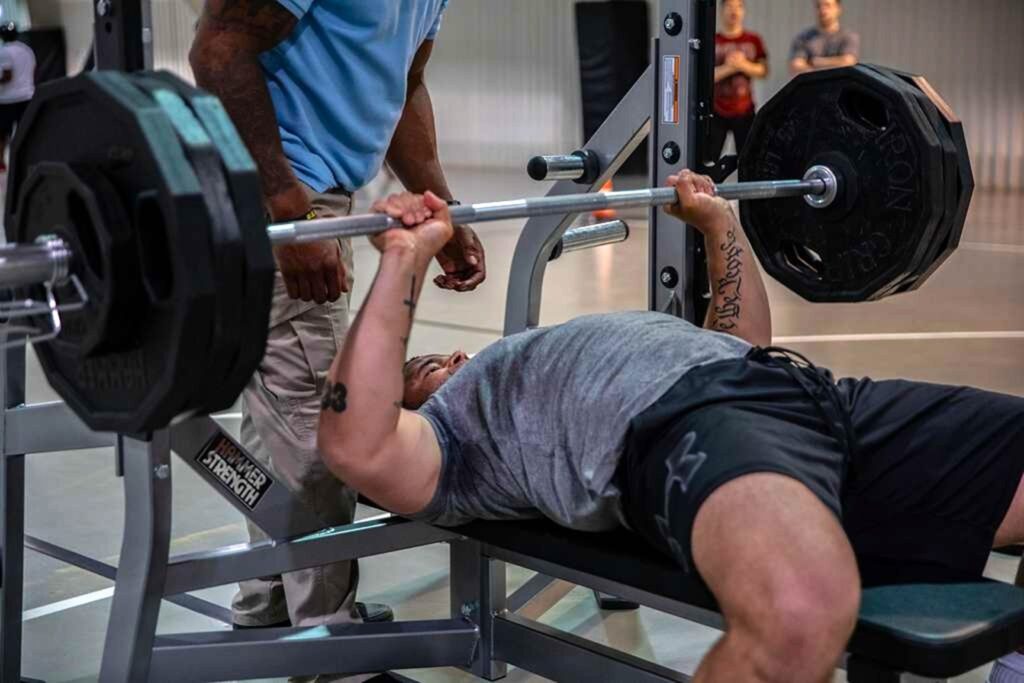
This is easily one of the most persistent strength training myths, especially among new lifters and women. People assume heavy weights equal massive size.
The Truth
In reality, muscle growth depends on:
◾️progressive overload
◾️high training volume
◾️calorie surplus
◾️sufficient protein intake
◾️months or years of consistency
Lifting heavy does not automatically make you bulky. It may build strength and muscle density, but the latter comes more via moderate to higher reps, not very low reps. Also, the weight itself is relative. If you can bench press 315 for 15 reps, it’s not heavy to you. If that’s your max single rep weight, it’s heavy.
MYTH #2: HIGH REPS TONE.
Another widespread gym myth is that rep ranges dictate “tone.” This is a close relative to the first myth. Because too many lifters wrongly think because going heavier (low reps) equals a bulkier look, they also wrongly think going lighter (high reps) equals a toned look.
The Truth
Muscle tone is simply: more muscle + less body fat. You can build muscle with 5–30+ reps, as long as you train close to failure and hit enough weekly volume. How much body fat you have is not correlated to how much you lift or for how many reps you do. It’s primarily a product of how many calories you take in from diet and how many you burn via endurance exercises. Focus on building muscle when you’re lifting weights, and focus on losing fat when you’re doing cardio. Focus on both when you’re eating: more protein for muscle gains, less simple carbs and calories for fat loss.
MYTH #3: YOU MUST TRAIN EVERY SET TO FAILURE.
Many bodybuilding myths come from outdated “no pain, no gain” thinking.
The Truth
Training to failure creates huge fatigue with minimal added benefit. There’s nothing wrong with going to failure regularly, but research shows you can attain the same strength and growth results by pushing most sets to near failure (where you feel you can get no more than one more rep) but not the point where you barely complete your final rep or truly fail to get it. Also, on some exercises, such as squats and bench presses, going to failure regularly comes with added danger, even when a spotter helps you rerack the weight. For most lifters, failure is a tool to be used sparingly and safely. It’s not a lifestyle.
MYTH #4: SUPPLEMENTS ARE NECESSARY FOR REAL GAINS.
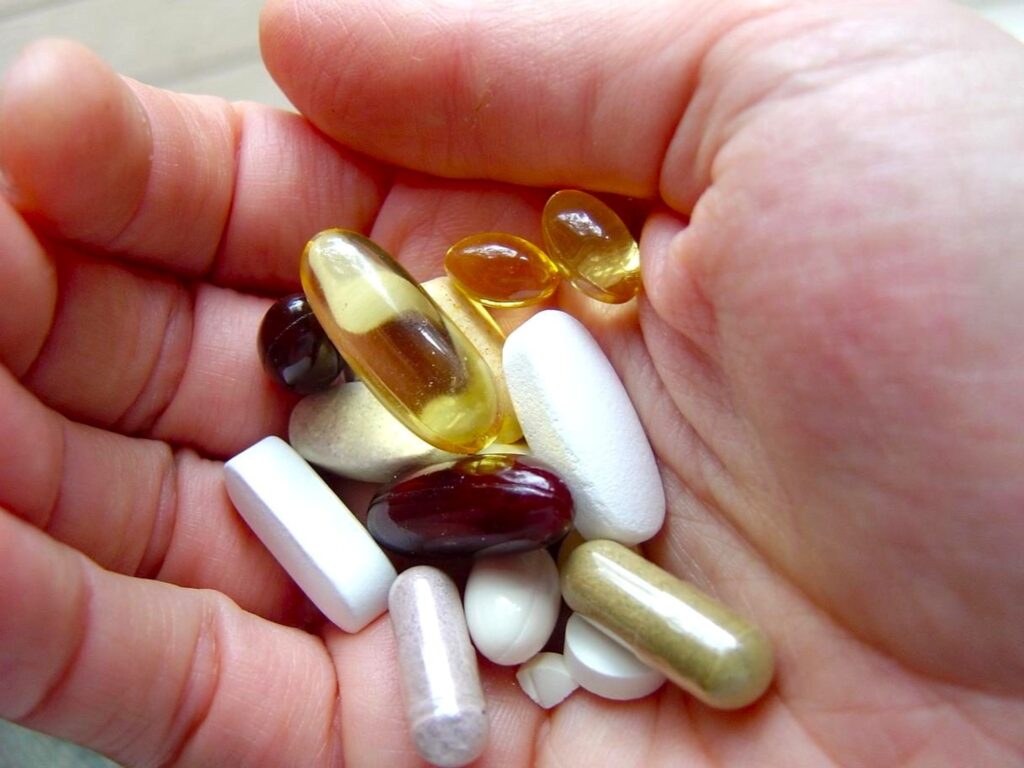
This is a profitable myth for the supplement industry, and a costly, not-so-helpful myth for lifters.
The Truth
Only a few sports supplements are supported by strong evidence.
Recommended supplements:
◾️whey protein
◾️creatine
◾️caffeine
Add vitamin D, if you’re deficient. And beta-alanine may have benefits if you do resistance exercises that last over a minute, such as 100-rep endurance sets or sled-pushing sessions. Everything else is optional at best. Some popular supplements, such as BCAAs and most testosterone boosters, we don’t recommend. They won’t hurt your gains, but they won’t appreciatively help them, either.
MYTH #5: CARDIO KILLS MUSCLE GAINS.
One of the biggest fitness myths in strength communities is that cardio and lifting don’t mix.
The Truth
Moderate cardio supports your lifting goals by improving work capacity, heart health, fat loss, and conditioning for higher rep sets. Extreme endurance training (such as 20+ mile runs) can hinder muscle growth. However, this doesn’t apply to most exercisers. Cardio doesn’t kill gains, poor programming does.
Recommended for Lifters:
◾️Keep cardio under 40 minutes.
◾️Do it 2-4 times per week.
◾️Do cardio just after lifting or in a separate workout. For example, go for a jog first thing in the morning and hit the weights later in the day.
MYTH #6: YOU MUST GET SORE AFTER EVERY WORKOUT.
Too many lifters think soreness equals progress.
The Truth
DOMS usually reflects new new exercises (this is the reason beginner’s are so often sore), increased training volume, or increased intensity via techniques like drop sets or forced reps. It does not measure effectiveness. In fact, constantly chasing soreness can lead to poor programming and overtraining.
Better Progress Indicators:
◾️strength increases
◾️muscle growth
◾️less fatigue over time
Chasing soreness is a beginner’s trap.
MYTH #7: FREE WEIGHTS ARE SUPERIOR TO MACHINES.

This myth comes from gym bro culture, not science.
The Truth
Weights—whether free or mechanical—are merely tools. As with a hammer and a table saw, some tools are superior for specific tasks. Tools serve different purposes.
Free Weights:
◾️improve stability via balancing the weight
◾️allow for a freer movement
◾️let you correctly train for specific free-weight lifts, such as the deadlift
Machines:
◾️allow safe training near failure
◾️maintain constant tension via a weight stack fighting gravity from start to finish
◾️let you do exercises, such as leg curls, that are not easy to duplicate with free weights
For hypertrophy, machines can be equally or more effective than free weights. Smart lifters use both.
MYTH #8: MORE TRAINING IS ALWAYS BETTER.
This popular social media myth destroys long-term progress.
The Truth
Muscles grow during recovery, not training. Overtraining leads to stalled progress, poor sleep, joint irritation, chronic fatigue, and hormonal disruption. In other words, overtraining actually hurts recovery, the very thing you need more of with increased training volume. You need to prioritize recovery (at least 72 hours between training body parts and at least seven hours of sleep nightly) and nutrition (adequate protein and other nutrients for muscle growth).
Optimal Weekly Training:
◾️Beginners: 3–4 days
◾️Intermediates: 4–5 days
◾️Advanced: 5–6 days
Quality beats quantity.
MYTH #9: YOU CAN SPOT-REDUCE FAT.
This is one of the all-time biggest bodybuilding myths.
The Truth
You cannot burn fat from specific body parts by training them more. Ab exercises don’t reduce belly fat. Tricep dips don’t reduce arm fat. Fat loss happens systemically.
To Reduce Fat in Trouble Areas:
◾️get in a caloric deficit
◾️incorporate or increase cardio
That’s it. And hit the weights to emphasize the shape of the muscle(s) when greater definition becomes apparent. Spot reduction isn’t real, but spot improving is.
MYTH #10: BEGINNERS SHOULD AVOID HEAVY LIFTING.
This is a myth that prevents many people from making early progress.
The Truth
Beginners benefit enormously from heavy lifting (max effort in sets of fewer than eight reps), because their “heavy” is still safe, they adapt rapidly, neuromuscular learning is fastest in the first year, and strength builds confidence and consistency. Strength training is safe when exercises are performed correctly, and it’s foundational for all future fitness goals.
WHAT ACTUALLY WORKS (The Blueprint)
To replace the preceding lifting myths with real progress, focus on:
1. Progressive Overload
Increase weights, reps, or volume over time.
2. Adequate Training Volume
10–20 sets per body part per week.
3. Mastery of Technique
Efficient movement patterns = strength + safety.
4. Recovery
7–9 hours of sleep, proper rest days, moderate cardio.
5. Nutrition
Enough calories, enough protein.
6. Long-Term Consistency
The real secret behind every impressive physique.
LIFTING MYTHS FAQS
Is lifting heavy bad for beginners?
No. Beginners benefit from lifting heavy relative to their abilities, as long as technique and progression are controlled.
Does cardio kill muscle gains?
Moderate cardio supports strength and hypertrophy by improving work capacity and recovery.
Do high reps tone muscles?
Muscle tone comes from having more muscle and less body fat, not from specific rep ranges.
Can you spot-reduce belly fat?
No. Fat loss occurs across the entire body and is driven by a calorie deficit, not specific exercises.